
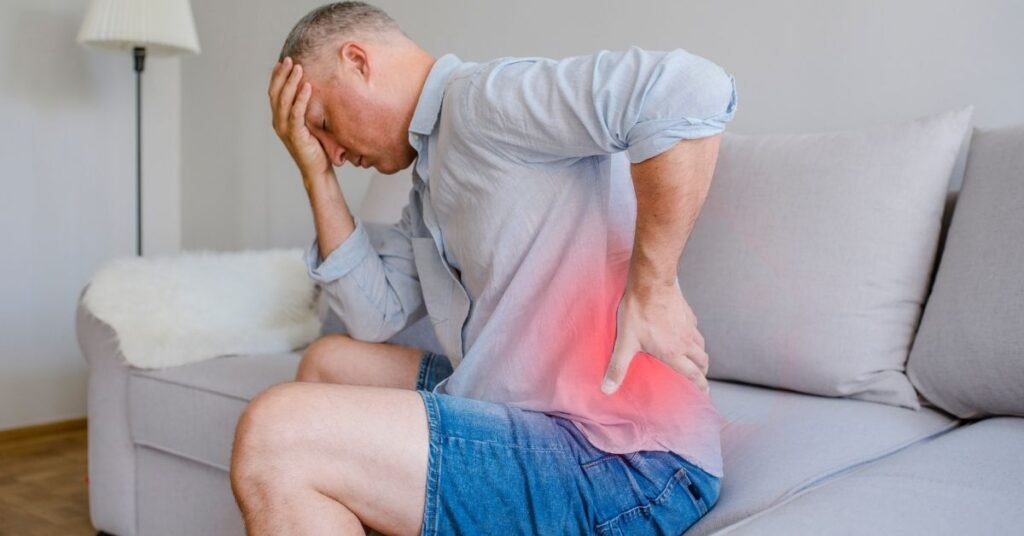
A herniated disc is one of the most common – and most misunderstood – sources of serious spinal pain. For many people, the diagnosis comes with an unsettling sense that surgery is inevitable. The reality is very different. The vast majority of herniated disc cases respond well to conservative, non-surgical care – and with the right treatment approach, most patients achieve significant and lasting pain relief without ever needing an operation.
At Loucil Chiropractic in Ives Estates, Miami, our herniated disc treatment protocols have helped thousands of patients recover using a comprehensive, evidence-based approach that targets the root cause of the problem rather than simply masking symptoms. Whether your pain is in your lower back, radiating down your leg, or centered in your neck and shooting into your arm, understanding your condition fully is the first step toward getting your life back.
This guide covers everything you need to know:
- What a herniated disc actually is and how it differs from related conditions
- The most common symptoms and how to recognize them
- The root causes and risk factors that contribute to disc herniation
- The full range of non-surgical treatment options available at Loucil Chiropractic
- When to seek professional care and what to expect from your recovery
By the end, you will have a clear and accurate picture of your condition – and a realistic path forward toward lasting relief.
What Is a Herniated Disc?
Your spine is made up of a series of vertebrae stacked on top of one another, separated by intervertebral discs. These discs act as shock absorbers for the spine, cushioning the vertebrae during movement and distributing load evenly across the spinal column. Each disc has two main components: a tough, fibrous outer ring called the annulus fibrosus, and a soft, gel-like inner core called the nucleus pulposus.
A herniated disc – also called a slipped disc, ruptured disc, or prolapsed disc – occurs when the outer fibrous ring develops a crack or tear, allowing the inner nucleus material to push outward through the weakened area. Depending on the direction and extent of this protrusion, the displaced disc material may press on nearby nerve roots or, in severe cases, on the spinal cord itself.
The Spectrum of Disc Problems
It helps to understand that disc herniation exists on a spectrum of severity:
Disc bulge: The outer ring weakens and the disc expands unevenly outward, but the nucleus has not broken through the outer layer. A bulging disc is less severe than a herniation but can still cause significant pain if it contacts nerve tissue.
Disc herniation (protrusion): The nucleus pushes through a partial tear in the annulus fibrosus, creating a localized protrusion that can compress nearby nerves.
Disc extrusion: The nucleus breaks completely through the outer ring and extends beyond the disc’s normal boundary, often creating significant nerve compression.
Sequestration: A fragment of the nucleus separates entirely from the disc and migrates into the spinal canal. This is the most severe form and may require more aggressive intervention.
At Loucil Chiropractic, our digital X-ray technology and thorough clinical assessment allow us to accurately identify the type and severity of your disc problem from your very first visit – so your treatment plan is built on precise diagnostic information, not guesswork.
Where Do Disc Herniations Most Commonly Occur?
Disc herniations can occur anywhere along the spine, but two locations account for the overwhelming majority of cases:
Lumbar spine (lower back): The lumbar region – particularly the L4-L5 and L5-S1 levels – is by far the most common location for disc herniation. The lower back bears the greatest mechanical load and undergoes the most stress during daily activities. A lumbar disc herniation typically causes lower back pain combined with radiating pain, numbness, or weakness in the buttock, leg, or foot – a pattern commonly known as sciatica.
Cervical spine (neck): The cervical region – particularly the C5-C6 and C6-C7 levels – is the second most common location. A cervical disc herniation causes neck pain combined with radiating symptoms into the shoulder, arm, or hand.
Thoracic (mid-back) disc herniations are far less common due to the relative rigidity of that spinal region.
Symptoms of a Herniated Disc

The symptoms of a herniated disc vary significantly depending on the location of the herniation, the direction of the protrusion, and whether nerve tissue is being compressed. Some patients experience intense, debilitating pain. Others – particularly those with mild herniations – may have relatively mild symptoms or, in some cases, no symptoms at all.
Lumbar Disc Herniation Symptoms
Lower back pain: Most patients with a lumbar herniation experience some degree of local lower back pain, ranging from a dull ache to sharp, stabbing pain that worsens with movement, prolonged sitting, or bending forward. Our guide on back pain causes and chiropractic treatment provides a full breakdown of how lumbar pain develops and the most effective approaches to treating it.
Sciatica: When the herniated disc compresses one of the nerve roots that forms the sciatic nerve, pain radiates from the lower back or buttock down through the back of the thigh, calf, and sometimes into the foot. This is the hallmark symptom of lumbar disc herniation. The pain may be burning, sharp, or electric in quality. For a full understanding of this condition, our dedicated guide on sciatica relief and nerve pain covers the causes, patterns, and treatment options in detail.
Numbness and tingling: Nerve compression commonly causes a pins-and-needles sensation or numbness in the leg, calf, or foot. The specific area affected corresponds to which nerve root is being compressed.
Muscle weakness: In more significant compressions, the affected nerve root may lose some of its ability to transmit motor signals, leading to weakness in specific muscle groups – most commonly in the foot or ankle.
Pain that worsens with sitting or forward bending: Intradiscal pressure increases when seated or bending forward, which is why lumbar herniation symptoms are frequently aggravated by these positions and relieved by standing or lying down.
Cervical Disc Herniation Symptoms
Neck pain: Local pain in the neck ranging from stiffness and aching to sharp, acute pain with movement. Pain often worsens with turning the head or looking up or down.
Radiculopathy: Pain that radiates from the neck into the shoulder, upper arm, forearm, or hand. Like lumbar radiculopathy, the specific distribution corresponds to which nerve root is compressed.
Numbness and tingling in the arm or hand: Pins-and-needles sensations, burning, or numbness in specific fingers or regions of the arm are common with cervical herniations.
Arm or hand weakness: Significant nerve compression in the cervical spine can affect grip strength or the ability to perform fine motor tasks.
Headaches: Cervical disc herniation and the associated muscle tension frequently contribute to cervicogenic headaches originating at the base of the skull and radiating forward. Our guide on headache and migraine relief through chiropractic care explains how cervical conditions contribute to chronic headache patterns.
When to Seek Immediate Medical Attention
Most herniated disc symptoms, while painful and disruptive, are not medical emergencies. However, certain symptoms require immediate evaluation: sudden loss of bowel or bladder control, progressive weakness in both legs, or numbness in the inner thighs and groin. These symptoms may indicate cauda equina syndrome – a rare but serious compression of the lower spinal nerve bundle that requires urgent intervention.
If you are experiencing any of these symptoms, seek emergency medical care immediately.
What Causes a Herniated Disc?

Understanding the causes and risk factors behind disc herniation empowers you to both address your current condition and prevent recurrence.
Age-Related Disc Degeneration
The single most common underlying cause of herniated discs is the natural aging process. As we age, intervertebral discs gradually lose water content and become less flexible and more brittle. The annulus fibrosus becomes more prone to developing small cracks and tears over time. What begins as a mildly degenerated disc can herniate under relatively ordinary mechanical stress. Most disc herniations occur in people between the ages of 30 and 50, when discs have lost some of their youthful resilience but the body’s repair mechanisms are still active.
Repetitive Mechanical Stress
Repeated movements that place the spine in compromised positions – particularly repeated forward bending, twisting under load, or prolonged static postures – gradually fatigue the disc’s outer ring and accelerate the development of tears. This is a leading cause of disc herniation in physically demanding occupations and in athletes.
Sudden Excessive Force
A single traumatic event can cause acute disc herniation – particularly when the spine is loaded in a flexed or rotated position. Common scenarios include lifting a heavy object with improper form, a slip and fall, or the sudden jarring force of a car accident. Whiplash injuries can cause cervical disc herniation even when the external forces involved seem relatively minor. Our car accident care and whiplash treatment pages explain how we address these acute traumatic disc injuries.
Poor Posture and Ergonomics
Sustained poor posture – whether from prolonged desk work, incorrect lifting habits, or poor sleeping positions – creates chronic uneven loading across the spinal discs. Over time, this accelerates disc degeneration and increases the risk of herniation. For patients whose disc problems are linked to desk work and sedentary habits, our detailed guide on desk job back pain relief provides comprehensive guidance on ergonomic corrections and spinal health strategies.
Risk Factors That Increase Your Vulnerability
Several factors increase an individual’s susceptibility to disc herniation:
- Sedentary lifestyle: Weak core and paraspinal muscles provide less support to the spine, placing more mechanical load directly on the discs.
- Excess body weight: Additional body weight increases compressive load across all spinal discs, accelerating degeneration.
- Smoking: Nicotine impairs blood flow to disc tissue, accelerating degeneration by starving discs of the nutrients they need to maintain their structure.
- Genetics: Some individuals have an inherited predisposition to disc degeneration and herniation.
- Physically demanding occupation: Jobs involving heavy lifting, repetitive bending, or prolonged vibration significantly increase herniation risk.
Your Non-Surgical Treatment Options at Loucil Chiropractic
Here is where the most important part of this guide begins. The medical evidence is clear: most herniated discs – including many that cause significant nerve compression and radicular pain – improve substantially with conservative, non-surgical care. Surgery is necessary only in a minority of cases, typically when there is progressive neurological deficit, severe loss of function, or failure to respond to several months of appropriate conservative treatment.
At Loucil Chiropractic, we offer a comprehensive range of evidence-based non-surgical treatments that work together to relieve pain, reduce disc pressure, restore normal spinal function, and address the underlying factors that contributed to your herniation.
Spinal Decompression Therapy
Spinal decompression therapy is one of the most effective non-surgical treatments available for herniated discs – and it is one of the cornerstones of our care at Loucil Chiropractic.
Motorized spinal decompression gently stretches the spine using precisely controlled traction forces, creating a negative intradiscal pressure – essentially a vacuum effect within the disc. This negative pressure has two powerful therapeutic effects. First, it draws the herniated nucleus material back toward the center of the disc, reducing or eliminating the nerve compression that is causing your pain. Second, it promotes the influx of oxygen, nutrients, and fluids back into the disc, supporting the disc’s natural ability to heal and rehydrate.
Decompression therapy is non-invasive, performed while you are fully clothed on a specialized table, and is well tolerated by the vast majority of patients. Many patients notice a reduction in their radiating leg or arm symptoms within the first several sessions – often the first sign that disc pressure on the nerve root is being relieved. Our dedicated spinal decompression therapy page covers the full treatment protocol, what to expect session by session, and the conditions it most effectively addresses.
For a deep dive into how decompression specifically targets disc herniation mechanics, our blog on spinal decompression for herniated discs explains the full clinical picture – including what happens inside the disc during each session and why this approach is so effective for nerve root compression.
Chiropractic Adjustments
Chiropractic spinal manipulation is a carefully controlled, targeted force applied to specific spinal segments to restore normal joint motion, correct misalignments, and reduce mechanical stress on disc tissue and surrounding nerves. For herniated disc patients, chiropractic adjustments are selected and modified based on the specific level and severity of the herniation – our Board Certified chiropractors use gentle, low-force techniques specifically appropriate for disc conditions.
Adjustments improve spinal alignment and movement mechanics, reducing the abnormal loading patterns that slow disc recovery and perpetuate pain. They also help restore the range of motion that is typically lost with disc herniation due to pain and muscle guarding.
Laser Therapy
Laser therapy – specifically photobiomodulation – plays an important complementary role in herniated disc treatment by addressing the inflammatory component of the condition. When a disc herniates and compresses a nerve root, a significant inflammatory response develops around the affected nerve and surrounding tissue. This inflammation is a major contributor to the pain, burning, and hypersensitivity that characterizes disc-related radiculopathy.
Laser therapy delivers focused light energy that penetrates deep into the tissue, boosting mitochondrial function in damaged and inflamed cells. This reduces the production of pro-inflammatory cytokines, supports nerve tissue repair, and accelerates the natural resolution of the inflammatory response. Many patients notice a meaningful reduction in the burning and hypersensitive quality of their nerve pain after laser therapy sessions.
Laser therapy is painless, has no recovery period, and integrates seamlessly into a comprehensive herniated disc treatment plan alongside spinal decompression and chiropractic care.
Shockwave Therapy
While spinal decompression and laser therapy address the disc and nerve components of herniation directly, shockwave therapy targets the musculoskeletal soft tissue layer – the muscle tension, trigger points, and adhesions that develop around the spine as a secondary response to disc injury.
When a disc herniates and pain develops, the surrounding muscles go into protective spasm. Over time, if this spasm persists, it creates deep myofascial trigger points and fascial restrictions that perpetuate pain even as the disc itself begins to heal. Shockwave therapy delivers high-energy acoustic pulses that mechanically disrupt these trigger points and adhesions, restore normal muscle tone, and improve circulation in the affected area – addressing a layer of pain that other therapies may not fully resolve.
Physical Therapy and Rehabilitative Exercise
Physical therapy is an essential component of herniated disc recovery that provides both short-term relief and long-term protection against recurrence.
In the early phases of treatment, physical therapy focuses on reducing pain and protecting the disc through appropriate positioning, movement modification, and gentle mobilization. As recovery progresses, the focus shifts to rebuilding the core strength, spinal stability, and movement mechanics that are essential for preventing re-injury. The deep stabilizing muscles of the spine are specifically targeted, as weakness in these muscles is both a contributor to and a consequence of disc herniation.
Our physical therapy protocols at Loucil Chiropractic are individualized to each patient’s specific level of herniation, symptom pattern, and functional goals.
Postural Correction and Ergonomic Guidance
Because poor posture and ergonomics are both a cause and a perpetuating factor in disc herniation, addressing these issues is a non-negotiable part of comprehensive herniated disc care. Our chiropractors work with each patient to identify the specific postural habits and workspace setups that are placing excess stress on their spine – and to develop practical, sustainable corrections.
This includes workstation ergonomics for desk workers, guidance on sleeping positions and pillow support, lifting mechanics, and movement habits that reduce daily disc load.
How These Treatments Work Together
The most effective approach to herniated disc recovery at Loucil Chiropractic is an integrated one – where each treatment modality addresses a different layer of the condition simultaneously.
Spinal decompression reduces intradiscal pressure and draws the herniated material away from the nerve root. Chiropractic adjustments restore normal joint mechanics and reduce abnormal disc loading. Laser therapy controls the inflammatory response around the nerve and accelerates cellular repair. Shockwave therapy releases the secondary muscle tension and trigger points that develop in response to disc injury. Physical therapy rebuilds the core stability and movement quality that protect the disc long term. Postural and ergonomic correction removes the ongoing stress that would otherwise slow recovery and increase the risk of recurrence.
This multi-layered approach is why our patients achieve outcomes that isolated treatments often cannot – sustained relief from a complex condition that touches multiple systems simultaneously. If you want to understand what the full benefits of this approach look like before you begin, our blog on the benefits of spinal decompression therapy gives a detailed breakdown of what patients can realistically expect from a structured decompression-centered treatment plan.
What to Expect from Your Recovery
Recovery from a herniated disc is rarely linear – most patients experience a gradual, progressive improvement over weeks to months rather than an immediate resolution of all symptoms. Understanding what a realistic recovery looks like helps you stay engaged with your treatment plan and avoid discouragement during normal fluctuations in your symptoms.
In the early weeks of treatment, the primary goal is pain reduction and nerve decompression. Many patients notice a decrease in the intensity and frequency of their radiating pain within the first 2 to 4 weeks of consistent care. As treatment progresses, the focus shifts to functional restoration – rebuilding movement, strength, and confidence in your spine. The final phase of care focuses on long-term maintenance and prevention.
The duration of recovery varies considerably depending on the severity of the herniation, the degree of nerve compression, how long the condition has been present before treatment began, and individual patient factors. Patients who begin care early, follow their treatment plan consistently, and make the lifestyle changes recommended by their chiropractor typically achieve the fastest and most complete outcomes.
If you are preparing for your first decompression session and want to know exactly what to expect, our guide covering questions to ask before spinal decompression therapy walks through everything you should discuss with your provider before starting care.
Why Choose Loucil Chiropractic for Herniated Disc Treatment in Miami

Choosing the right provider is one of the most important decisions you will make in your recovery from a herniated disc. Here is what makes Loucil Chiropractic the trusted choice for patients across Ives Estates and the greater Miami area.
- Board-Certified Expertise: Dr. Javier Loucil, DC and our clinical team are Board Certified chiropractors with over 8 years of clinical experience and more than 2,000 patients treated. Our expertise in spinal conditions means your care is guided by deep clinical knowledge, not generic protocols.
- Free Consultation and Digital X-Rays for New Patients: New patients receive a complimentary consultation and digital X-rays at their first visit – valued up to $400. This gives us the complete diagnostic information needed to build a precise, personalized treatment plan from day one.
- Advanced In-House Technology: We offer spinal decompression, laser therapy, shockwave therapy, and high-resolution digital X-ray imaging – all under one roof. You receive a fully integrated treatment experience without being referred from clinic to clinic.
- No Waitlist – Prompt Attention: We see patients promptly and provide same-day WhatsApp responses. When you are in pain, waiting is not an option.
- Bilingual Care: Our team provides full care in both English and Spanish, ensuring every patient feels fully understood and supported.
- Insurance Accepted: We accept Cigna, Blue Cross Blue Shield, Ambetter, Humana, United Health, and additional plans. Call (305) 760-5269 to verify your coverage.
- Serving the Greater Miami Area: We proudly serve patients from Ives Estates, North Miami Beach, Miami Gardens, Hallandale Beach, Aventura, and Biscayne Gardens.
Ready to visit us? Find Loucil Chiropractic on Google Maps and get directions to our clinic today.
FAQs About Herniated Disc Treatment
Can a herniated disc heal without surgery?
Yes – the majority of herniated discs improve significantly without surgery. Research consistently shows that conservative care – including spinal decompression, chiropractic adjustments, laser therapy, and physical therapy – resolves or substantially reduces symptoms in most patients. The disc material itself can retract or be reabsorbed by the body over time, and nerve inflammation resolves as compression is relieved. Surgery is reserved for cases involving progressive neurological deficit, severe loss of function, or failure to respond to appropriate conservative treatment over several months.
How long does it take to recover from a herniated disc with chiropractic care?
Recovery timelines vary depending on the severity of the herniation, the degree of nerve involvement, and how long the condition was present before treatment began. Many patients notice meaningful improvement within the first 2 to 6 weeks of consistent care. More significant herniations may require 3 to 6 months of comprehensive treatment for full functional recovery. Starting care promptly after symptoms develop significantly improves outcomes.
Is spinal decompression therapy safe for herniated discs?
Yes. Spinal decompression therapy is specifically designed for herniated and degenerated discs and is one of the most well-supported non-surgical treatments for these conditions. The therapy uses gentle, computer-controlled traction forces and is carefully adjusted to your specific condition. Our chiropractors conduct a thorough assessment before beginning decompression to ensure it is appropriate and safe for your specific case.
What is the difference between a herniated disc and a bulging disc?
A bulging disc involves the outer fibrous ring weakening and expanding unevenly outward, but the inner nucleus has not broken through. A herniated disc involves the nucleus actually pushing through a tear in the outer ring, creating a more localized protrusion that is more likely to compress nearby nerve tissue. Both conditions can cause significant pain and both respond well to the conservative treatments we offer at Loucil Chiropractic.
Can a herniated disc cause permanent nerve damage?
In most cases, no – particularly when appropriate treatment is started promptly. Nerve symptoms such as numbness, tingling, and weakness typically improve as compression is relieved and inflammation resolves. However, severe or prolonged nerve compression without treatment can in some cases lead to more lasting changes. This is one of the key reasons why seeking care promptly rather than waiting out symptoms is so important.
Will I need to rest completely during herniated disc treatment?
Complete rest is generally not recommended and can actually slow recovery. Prolonged bed rest deconditions the spinal muscles and reduces circulation to disc tissue. Our approach at Loucil Chiropractic includes guidance on appropriate activity modification – continuing to move within your pain tolerance while avoiding positions and activities that aggravate nerve compression – combined with active treatment to accelerate healing.
Can a herniated disc cause symptoms in both legs at the same time?
A central herniation – where the disc material protrudes into the center of the spinal canal rather than to one side – can compress nerve roots on both sides simultaneously, causing bilateral leg symptoms. This pattern warrants careful clinical evaluation. If bilateral symptoms are accompanied by bowel or bladder changes, this may indicate cauda equina syndrome, which requires immediate emergency care.
What activities should I avoid with a herniated disc?
During the acute phase, activities that sharply increase intradiscal pressure should be avoided or modified. These include heavy lifting with a bent spine, prolonged sitting without adequate lumbar support, high-impact activities like running or jumping, and movements involving deep forward bending combined with rotation. Your chiropractor at Loucil Chiropractic will provide specific guidance tailored to your herniation level and symptom pattern.
Can car accident injuries cause a herniated disc?
Yes. The sudden, forceful impact of a car accident – particularly rear-end collisions – can cause acute disc herniation in both the cervical and lumbar spine, even at relatively low impact speeds. If you have been in a car accident and are experiencing neck pain, back pain, or radiating symptoms into your arms or legs, prompt evaluation is essential. Our car accident care and whiplash treatment pages explain how we approach post-accident spinal injury.
How do I get started with herniated disc treatment at Loucil Chiropractic?
Getting started is simple. New patients receive a free consultation and digital X-rays (valued up to $400) with no waitlist. Contact us at (305) 760-5269, email info@loucilchiro.com, or book your appointment online. Our clinic is located at 1001 Ives Dairy Rd, Suite 206, Miami, FL 33179. We are open Monday through Wednesday and Friday from 9 AM to 7 PM, and Saturday from 10 AM to 1 PM.
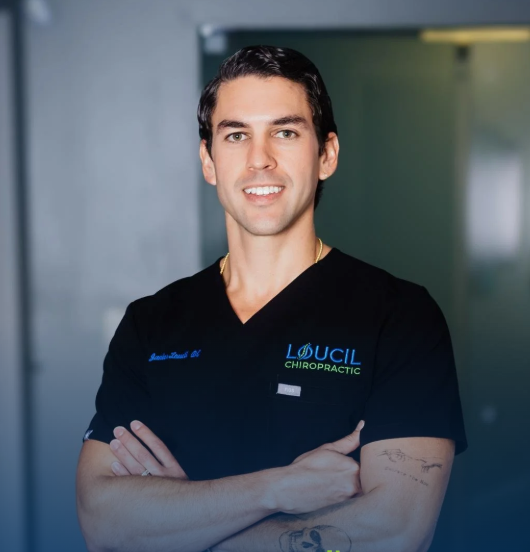
Dr. Javier Loucil, DC is a Board-Certified Doctor of Chiropractic and founder of Loucil Chiropractic in Ives Estates, Miami, FL. With 8+ years of experience and 2,000+ patients treated, he specializes in non-surgical care for back pain, sciatica, sports injuries, and car accident recovery using spinal decompression, laser therapy, and shockwave therapy to treat the root cause, not just the symptoms.